


So, what are finger condoms (finger cots) for? In short: they create a localized, disposable barrier that protects the finger, the person being touched, and the object or wound being handled — while preserving the fine touch a full glove would reduce.
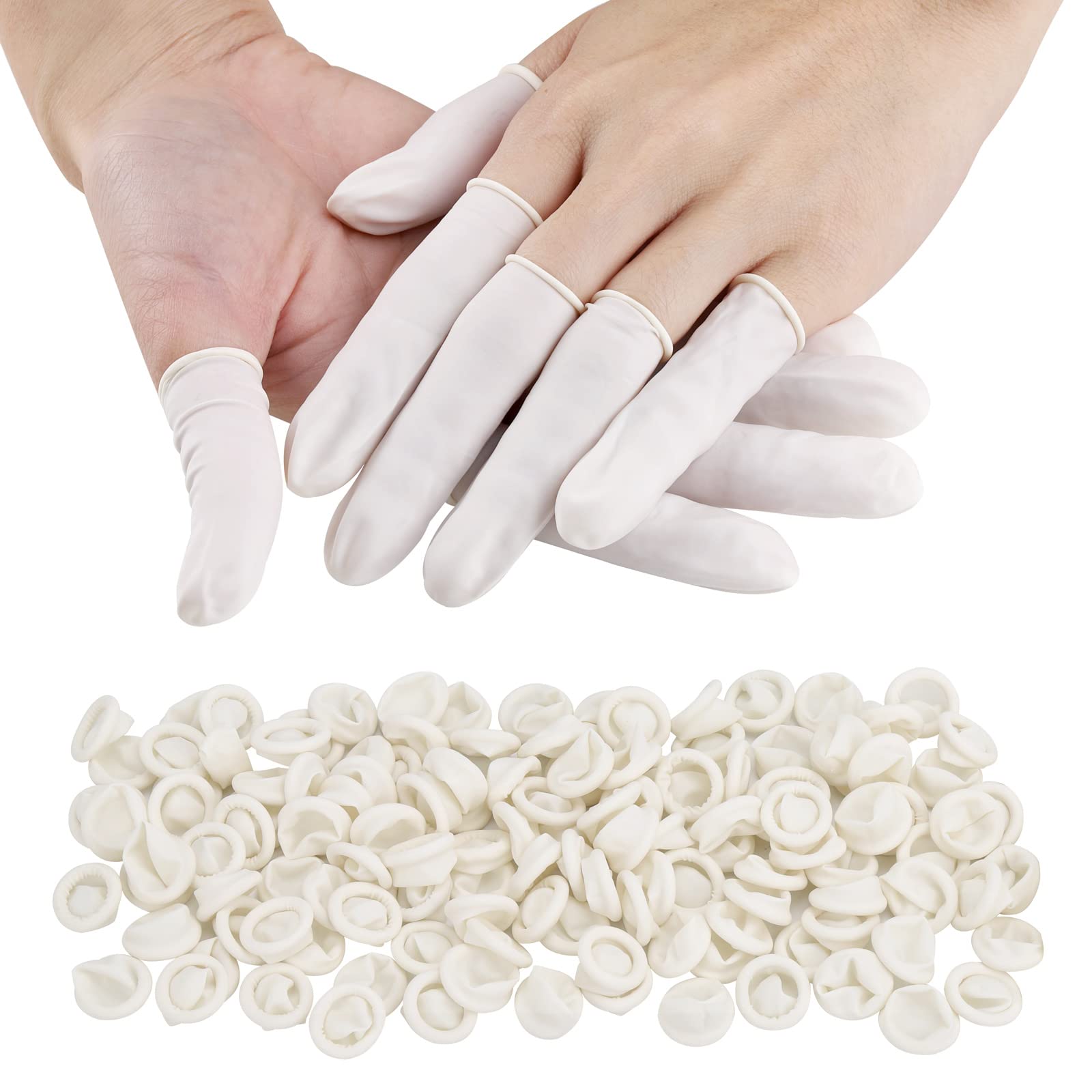
What Is a Finger Cot?
What Are Finger Condoms / Finger Cots Used For?
Finger cots serve three broad groups of purposes.
1. Medical and Clinical Use
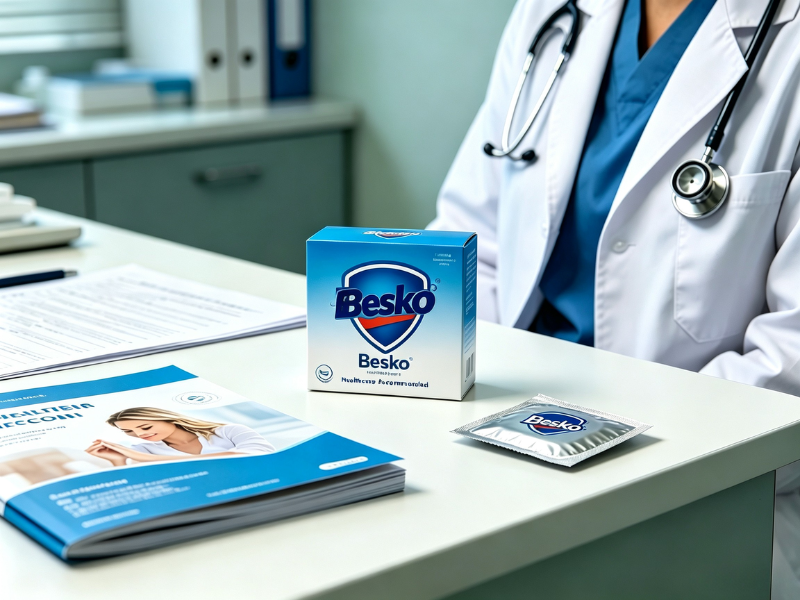
Applying topical medication or ointment without direct finger contact.
Digital rectal examination and other localized manual checks where full gloves are impractical.
Protecting minor cuts, abrasions, burns, surgical incisions, and diabetic or finger ulcers while they heal, keeping the wound clean, dry, and away from moisture and friction.
Securing a dressing or bandage on a finger and keeping it dry.
Covering a partial amputation stump or a splint for comfort and protection.
Infection control during fingerstick tests, dermatological procedures, specimen handling, and dental or medical exams that only require one digit to be protected.
Sterile, individually wrapped cots are used where a sterile field matters; non-sterile cots suit routine hygiene and light protection.
2. Hygienic Barrier During Digital / Intimate Contact
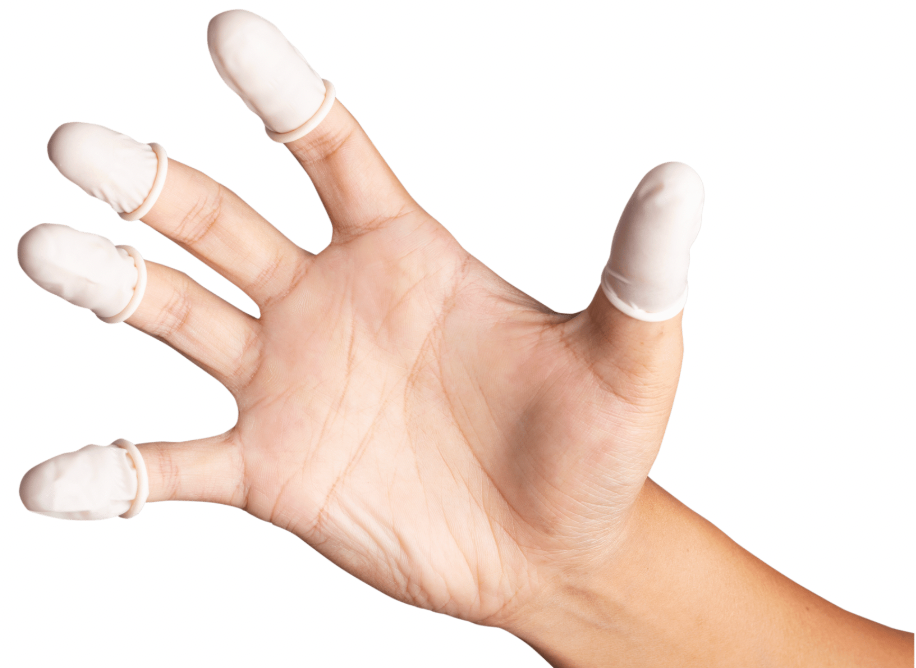
Prevents scratches from a nail inside a partner's vagina or anus, which can raise the risk of transmitting infections such as HIV, chlamydia, or HPV.
Keeps bacteria and STIs that may sit under a nail from direct contact.
Makes cleanup easy: remove and dispose of the cot, then wash hands, with no bodily fluid trapped under the nail.
Can also be used to keep small personal toys clean.
A finger cot should be treated like any other barrier: use lubrication to avoid friction that can tear it, never reuse it, and do not move a cot used in the anus to the vagina. Note that some clinical sources recommend a full glove over a finger cot here, because a glove is less likely to slip off and allows any finger to be used.
3. Industrial, Electronics, and Office Use
Electronics and semiconductors: handle microchips, PCBs, connectors, and small components without leaving skin oils, fingerprints, or static; ESD-safe (anti-static) versions reduce electrostatic discharge.
Watchmaking, art conservation, and precision repair: protect delicate parts from skin oils, dust, and natural acids while keeping tactile sensitivity.
Pharmaceutical and cleanroom handling: keep tablets, capsules, powders, and samples free from skin cells, oils, and microbes.
Office and counting: thimblelettes (rubber fingers / banker's friends) help leaf through paper, count banknotes, tickets, and forms, and protect against paper cuts.
Repair, cooking, and personal care: isolate an injured finger from friction, grease, water, or irritants; they are also used as a picking barrier in skin-picking conditions.
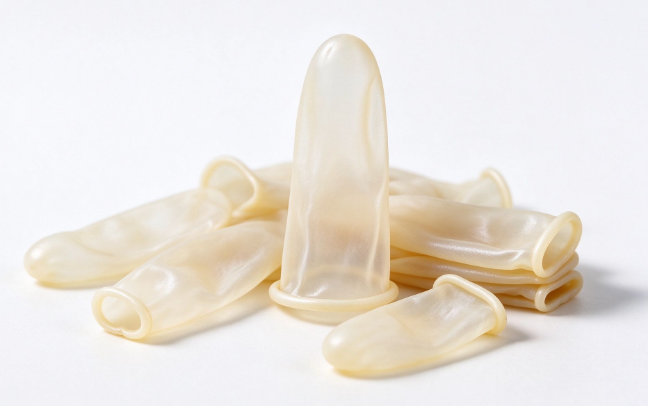
Finger Cot Materials Compared: Latex vs Nitrile vs Vinyl
Material | Elasticity | Chemical / Oil Resistance | Allergy Risk | Best For |
Latex | Excellent stretch, snug fit, high tactile sensitivity | Fair; breaks down with oil and some chemicals | High (latex allergy possible) | General clinical use, precision, low-cost routine tasks |
Nitrile | Good, slightly stiffer than latex | Excellent; oil-, solvent-, and puncture-resistant | None (latex-free) | Chemical handling, labs, industry, latex-sensitive users |
Vinyl (PVC) | Fair, looser fit | Poor to moderate; short-term only | None (latex-free) | Light-duty, low-cost, short-term hygiene and food handling |
Polyurethane | Thin, clear, highly sensitive | Good; anti-static options | None (hypoallergenic) | Electronics, micro-assembly, fine detail |
How to Use a Finger Cot
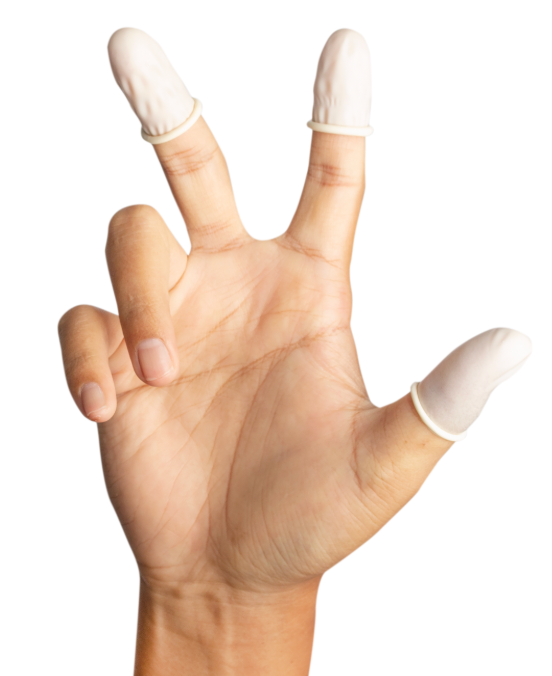
Select the correct size: too loose slips off, too tight restricts circulation or tears.
Place the cot over the fingertip and roll it down toward the base of the finger, smoothing out trapped air.
Use a water-based or silicone-based lubricant when friction occurs; oil-based products can degrade latex.
After use, remove it, dispose of it in the trash (do not flush), and wash hands with soap and water.
Disposable cots are single-use only — never reuse them.
Safety Tips and Precautions
Single use only: disposable latex, nitrile, and vinyl cots are designed for one use; reusing breaks the barrier.
Latex allergy: avoid latex cots if you or the user is sensitive; switch to nitrile or vinyl and watch for a reaction.
Proper fit: if the finger becomes numb, discolored, or painful, remove the cot immediately.
Sterility: non-sterile cots are not intended for sterile surgical procedures; use individually packed sterile cots where required.
Storage: keep unused cots in a cool, dry place away from heat, sunlight, oil, and sharp objects; check the expiration date and discard cots that are discolored, sticky, stiff, torn, or off-smelling.
Not a replacement: a finger cot does not replace a condom for penetrative sex, nor does it replace full gloves in high-risk procedures.

Bulk & Private-Label Finger Cots: Buyer's Specification Checklist
Materials: natural latex (high stretch), nitrile (latex-free, oil- and puncture-resistant), vinyl/PVC (economical, latex-free); polyurethane or ESD-safe grades available for electronics.
Sterility: sterile, individually wrapped pouches for clinical/wound use; non-sterile bulk packs for routine hygiene and industry.
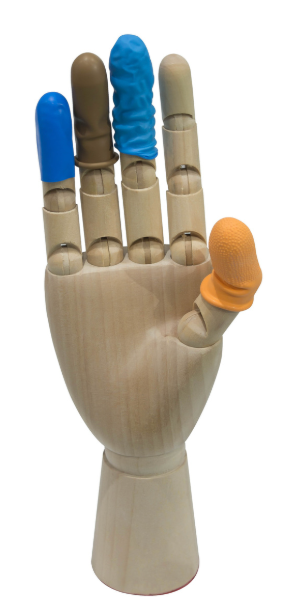
Sizes & colors: small / medium / large or one-size universal; common colors natural, white, orange, blue, black.
Finish: powdered (easier to roll on) or powder-free; optional textured grip surface.
Packaging: bulk dispenser box, bulk bag, individual sterile pouch, or custom retail/private-label box; custom pack size and barcode available.
Customization: private-label logo printing, OEM color, custom packaging, and [MOQ] per style; lead time [insert]; free sample [available on request].
Compliance to verify on request: ISO 13485 quality system, CE marking, ASTM / EN 455-type material standards, and FDA registration — confirm the certificates actually held before publishing claims.
Conclusion

FAQ: Finger Condoms / Finger Cots
1. What is a finger condom used for?
"Finger condom" is the informal name for a finger cot — a disposable fingertip barrier used in clinical care, intimate hygiene, and industrial or electronics work to protect the finger and prevent contamination.
2. Are finger condoms the same as finger cots?
Yes. A finger condom and a finger cot describe the same product; "finger cot" is the medical and industry standard term, while "finger condom" is a colloquial name.
3. What is the difference between a finger cot and a glove?
A finger cot covers only one or a few fingers for focused protection and better dexterity; a glove covers the whole hand for broader barrier protection. Use a cot when only the contact finger needs covering, and a glove when the whole hand should be protected.
4. Are finger cots safe for people with latex allergies?
Latex finger cots are not safe for latex-allergic users. Choose latex-free nitrile or vinyl cots instead.
5. Can finger cots be reused?
No. Disposable finger cots are single-use; reusing them compromises the barrier and hygiene.
6. Where can I buy bulk finger cots?
Clinics, distributors, and brands can source latex, nitrile, and vinyl finger cots in bulk with private-label or OEM packaging from a certified manufacturer.


